
 Send Inquiry
5 Tips on How to Maintain Your Compact Equipment and Why it Matters
Contents
I. Types of Maintenance: Preventive Maintenance and Routine Maintenance
All kinds of machinery, from tractors to mini excavators, require maintenance to keep them running properly. There are two main types of maintenance: preventive maintenance and routine maintenance. Each type has its benefits and drawbacks, so it’s important to understand all three before deciding which is right for you.
Compact equipment is designed to be easy to maintain and can be done by anyone with basic mechanical knowledge. Preventive maintenance is a proactive approach designed to prevent problems before they occur. Routine maintenance is a more reactive approach designed to fix problems as they occur.
Which is right for you? Read on to learn more about the benefits and drawbacks of each type of maintenance so you can make an informed decision.
Compact equipment maintenance is perfect if you lack the time or mechanical knowledge. It typically involves simple tasks such as checking fluid levels and inspecting belts and hoses. The primary benefit of this type of maintenance is that it’s quick and inexpensive. However, because it doesn’t involve thoroughly inspecting the machinery, it may not catch all potential problems.
Preventative maintenance requires more time and effort but can pay off in the long run. By regularly inspecting and servicing your machinery, you can identify and address minor issues before they become major problems. The benefits of preventative maintenance include a reduction in downtime and repair costs. The downside is that performing the required checks and services can be expensive, and it may not always catch everything.
Routine maintenance is typically done after a problem has occurred. When something breaks or stops working, you bring in a technician to diagnose and fix the issue. The benefit of this approach is that it’s typically less expensive than preventative maintenance. However, it can result in extended downtime and higher repair costs if the problem is severe. When deciding which type of maintenance to use, it depends on your needs and circumstances.
Compact equipment maintenance may be the best choice if you don’t have much time or mechanical knowledge. However, preventative maintenance is the way to go if you want to ensure your machinery operates at peak efficiency and avoid costly repairs. If you’re on a tight budget, routine maintenance may be a better option, but it’s important to be aware that it may result in more downtime and higher repair costs in the long run.
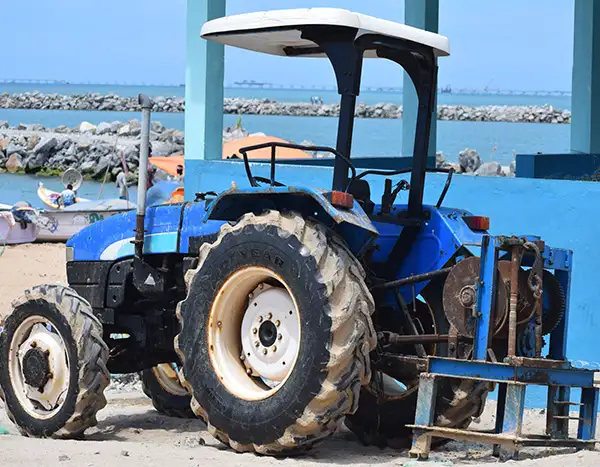
II. Why Routine Maintenance is Essential
Compact equipment is essential for many construction and agricultural projects. This equipment includes skid steer loaders, wheel loaders, mini excavators, and tractor maintenance. At the same time, this equipment is essential but requires routine maintenance to maintain good performance.
Routine maintenance on compact equipment includes checking fluid levels, inspecting belts and hoses, and greasing fittings. This type of maintenance is important because it helps to identify potential problems before they cause major damage. By performing routine maintenance, you can extend the life of your equipment and avoid costly repairs.
If you are responsible for maintaining compact equipment, you know how important having a well-organized maintenance schedule is. Use a compact equipment maintenance log to keep track of all the maintenance tasks that need to be performed. This log can be used to track both routine and unexpected maintenance tasks.
By performing routine maintenance on your compact equipment, you can keep your equipment in good working order and avoid costly repairs. Use a compact equipment maintenance log to help you keep track of all the maintenance tasks that need to be performed. This can help you stay organized and ensure maintenance tasks are completed on time. A maintenance log can also help you to identify patterns or issues that may be occurring with your equipment, so you can take proactive steps to address them. It’s important to follow the manufacturer’s recommended maintenance schedule for each piece of equipment. This schedule will outline specific maintenance tasks that must be performed at certain intervals (such as every 50 or 100 hours of operation).
Following these guidelines ensures that your equipment stays in good working order and extends its lifespan. In addition to regular maintenance tasks, addressing any issues or problems as soon as they arise is important. For example, if you notice that a belt is starting to wear, have it replaced before it breaks and causes further damage. By taking care of problems quickly, you can prevent them from snowballing into more costly repairs.
Routine maintenance is essential for keeping compact equipment in good working order. Using a maintenance log and following the manufacturer’s recommended maintenance schedule can help ensure that your equipment stays in top condition and avoid costly repairs. Remember to address any issues promptly to prevent them from becoming bigger problems down the road.
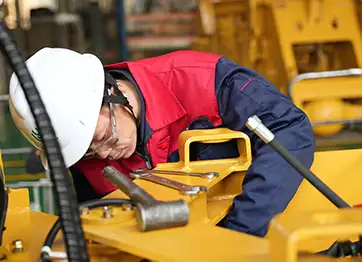
III. 5 Tips on How to Maintain Your Compact Equipment
Construction companies, landscaping businesses, and agricultural operations all need compact equipment. This type of equipment is designed to be small and nimble so that it can be used in a variety of settings, including tight spaces.
Proper maintenance of compact equipment is essential to keep it running efficiently and prolong its lifespan. To that end, here are some tips on how to maintain your compact equipment:
1. Regularly clean and lubricate your equipment.
2. Inspect your equipment regularly for any issues.
3. Fix any issue right away.
4. Store your equipment properly.
5. Be informed of the proper use and equipment maintenance procedures.
By following these tips, you can ensure that your compact equipment will last for many years to come.
6. Keep a maintenance schedule and stick to it. This should include regular oil changes, filter replacements, and other required services recommended by the manufacturer.
7. Check the tires or tracks for wear and replace them as needed.
8. Keep the engine and hydraulic system at the proper operating temperatures.
9. Use the recommended fuel and oil for your equipment.
10. Train your employees on proper equipment operation and maintenance practices.
11. Keep a record of maintenance and repairs to help identify potential issues before they become bigger problems.
12. Address any leaks promptly to minimize damage to your equipment and the environment.
13. Don’t overload your compact equipment beyond its recommended capacity.
14. Follow safety guidelines to minimize the risk of accidents and injuries. By following these additional tips, you can keep your compact equipment in good working condition and ensure the safety of your employees and others who may be working around the equipment.
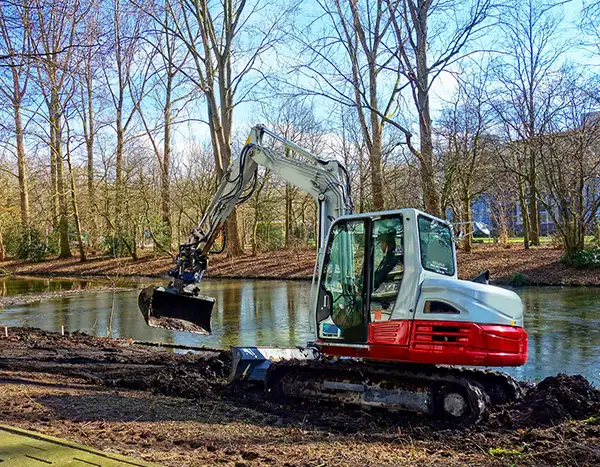
IV.YUFAN is always here to Keep Your Equipment In Top Condition
It is essential to keep your small and compact equipment in top condition if you want it to last. There are a few things to ensure your machine stays in good shape and works properly for years.
The first step is to make sure you register your machine with our maintenance service. This will give you access to our expert recommendations and tips on how to get the most out of your machine. In addition, we offer a one-year warranty on all of our products. This warranty covers all parts and labour, so you can be sure you are getting the best possible value for your money.
Finally, we recommend you follow our simple diagnosis tips to keep your machine running smoothly. By following the instructions, rest assured that your machine will stay in top condition for years.
Some of these tips include regularly cleaning your equipment, checking for any damaged or worn-out parts, and ensuring that you use the right type and amount of oil or lubricant. Following the manufacturer’s instructions regarding storage, transportation, and usage is also crucial. If you notice any problems with your machine, do not attempt to fix them yourself. Instead, contact our maintenance service team to get professional assistance.
YUFAN has the technicians and expertise to diagnose and repair any issue with your equipment. By taking care of your compact equipment, you can extend its lifespan and prevent any accidents or incidents. So, follow these simple maintenance tips and get the most out of your investment.

Posted by Isabel leave words
Thanks for reading. I hope my article helps. Please leave a comment down below. You may also contact YUFAN online customer representative for any further inquiries.
 English
 Arabic
 Chinese (Simplified)
 Dutch
Dutch English
 French
 Italian
 Portuguese
 Russian
 Spanish
Leave a Reply