
 Send Inquiry
Zero Tail Swing vs. Conventional Excavator: Top 10 Things You Need to Know
Contents
Introduction
If you’ve ever been intrigued by construction equipment, you’ve probably come across the terms “zero tail swing excavator” and “conventional excavator.” These machines are pivotal in various construction projects, but what sets them apart? In this blog, we’ll delve into the world of excavators. Also, explore the differences between zero tail swing and conventional models. So, let’s roll up our sleeves and get started!
1. What are Excavators and Their Applications?
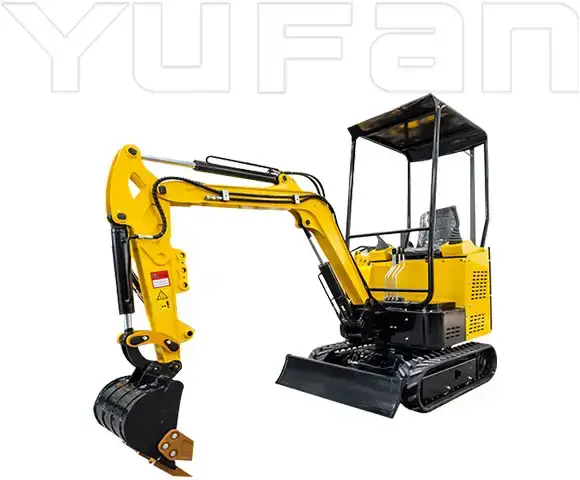
Before diving into the comparison, let’s understand what excavators are and how they’re used. Excavators are heavy construction machines designed for digging, trenching, and earthmoving. These versatile giants are commonly found on construction sites, road projects, and mining operations.
2. The Conventional Excavator
The conventional excavator is also known as the standard excavator. It has been the go-to choice for decades. It features a rear counterweight that extends beyond the tracks, making it less suitable for operating in tight spaces. This design allows excellent balance and lifting capabilities, making it ideal for heavy-duty tasks.

3. Zero Tail Swing Excavator: An Excavator Revolution
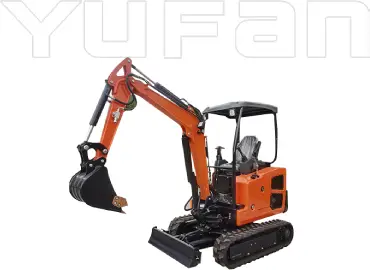
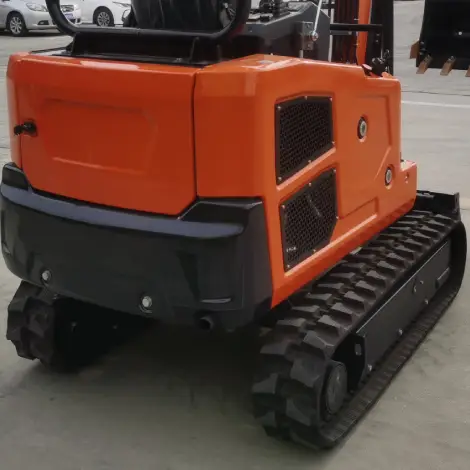
On the other hand, the zero tail swing excavator is a relatively newer innovation. As the name suggests, it boasts a minimal tail swing, which means the counterweight stays within the tracks’ width. This feature enables the excavator to rotate without extending beyond its tracks. Making it maneuverable in confined spaces.
4. Maneuverability: Space Matters
Regarding maneuverability, the conventional excavator might face challenges in cramped construction sites. Its larger tail swing necessitates more space to rotate fully. Helps in restricting its usability in tight urban environments. But, the zero tail swing excavator shines in these situations. It allows operators to navigate with ease and precision.
5. Operating in Confined Areas
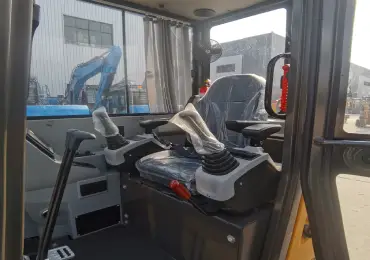
One of the significant advantages of the zero tail swing excavator is its ability to work effectively in confined areas. Imagine having to excavate next to buildings on narrow streets. The zero tail swing’s compact design ensures it can do the job without causing unnecessary disruptions.

6. Top 3 Advantages of Zero Tail Swing
The zero tail swing excavator offers several benefits, making it an attractive choice for specific projects. Some of its advantages include:
– Improved maneuverability in tight spaces.
– Reduced risk of damage to surrounding structures.
– Enhanced operator safety due to minimized swing radius.
7. Efficiency and Productivity
Both excavator types can excel in their respective domains regarding efficiency and productivity. Conventional excavators are better suited for heavy digging and earthmoving tasks. They have a sturdy build and excellent lifting capabilities. Meanwhile, zero tail swing excavators shine in urban settings, where space is limited and precision is crucial.
8. Stability and Safety
Stability and safety are paramount in construction work. Conventional excavators have a robust design with their extended counterweight. This feature provides excellent stability during heavy lifting operations. Conversely, zero tail swing excavators prioritize safety in tight areas by minimizing the risk of accidents caused by accidental swings.
9. Excavator Maintenance Considerations
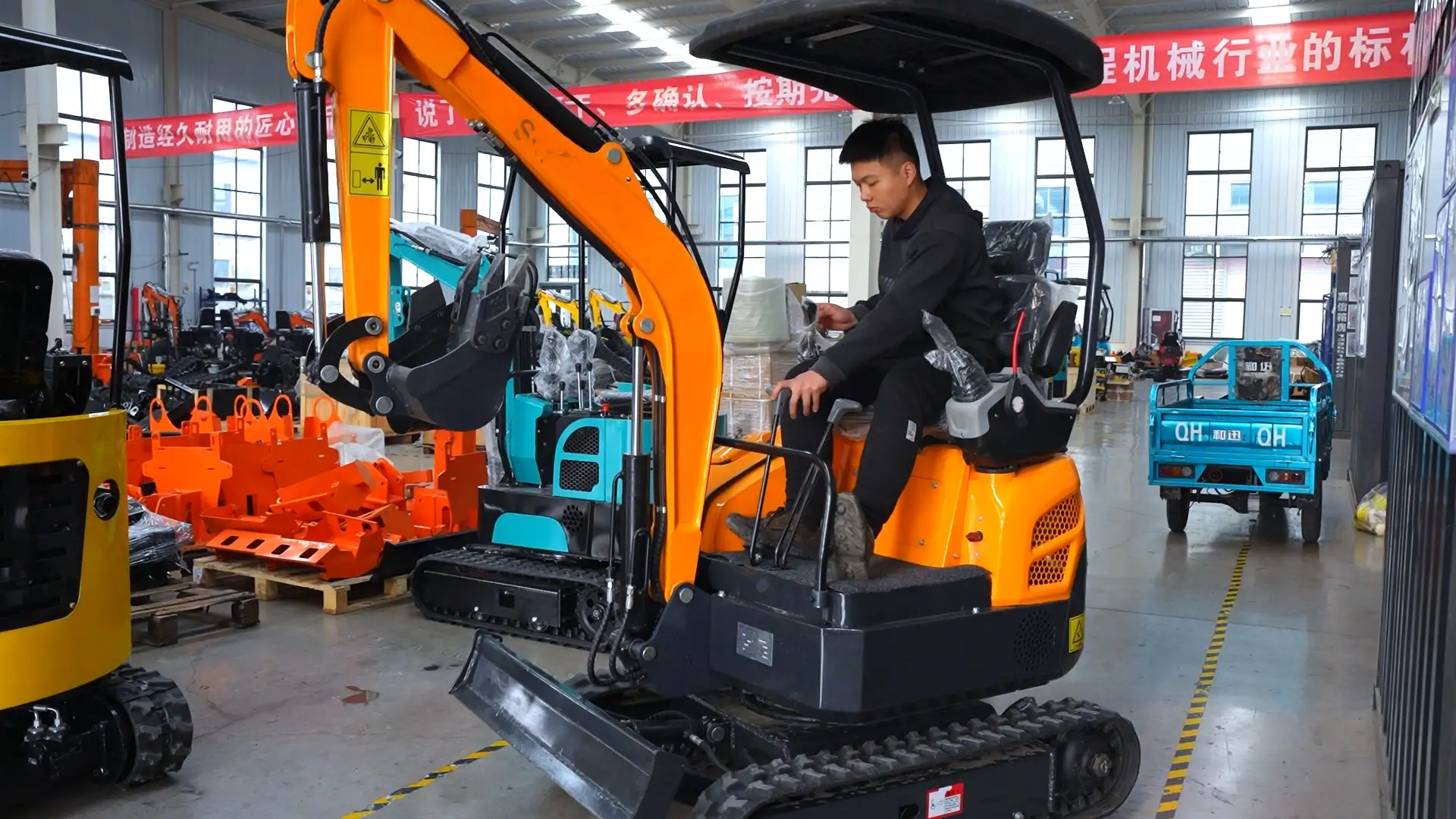
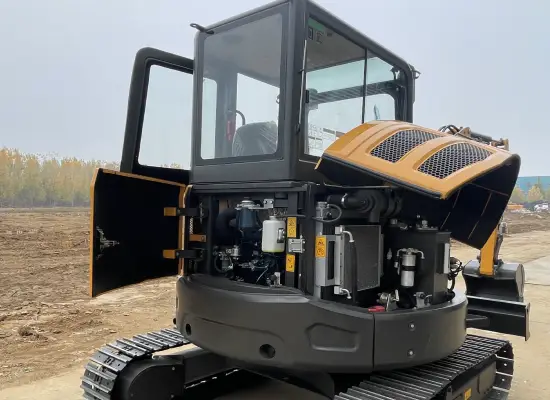
Regarding maintenance, both excavators need regular upkeep to ensure optimal performance and longevity. Yet, zero tail swing excavators may need extra attention to protect their compact components, especially in demanding operating conditions.
10. Environment-Friendly: Less Impact
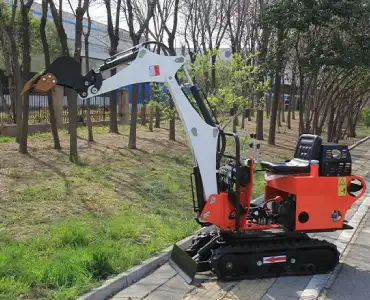
In today’s eco-conscious world, minimizing environmental impact is crucial. Zero tail swing excavators are more environmentally friendly than their conventional counterparts. Their attributes can help in reducing footprint and lower emissions. This eco-conscious design makes them a popular choice for projects that prioritize sustainability.
Choosing the Right Excavator for Job Sites
Selecting the perfect excavator for your project ensures efficiency and productivity. With many excavator models available and each tailored to different tasks, understanding the factors influencing your choice will guide you toward making an informed decision. Here are some essential considerations to keep in mind when selecting the right excavator types for your needs:
Project scale and scope
The first step in choosing an excavator is assessing the scale and scope of your project. Determine the magnitude of the tasks involved and the project’s overall size. Different projects may require excavators with varying capacities, ranging from compact models for small-scale endeavors to larger ones for extensive construction projects or mining operations.
For smaller projects, a compact or mini-excavator may suffice. It helps in offering better maneuverability and accessibility in confined spaces. Conversely, for major projects, larger excavators with higher digging and lifting capabilities will be indispensable for handling heavy-duty tasks.
Available space and access points
The physical constraints of your project site play a crucial role in the excavator selection process. Consider the available space for the excavator to operate and move around. If your project involves tight or limited spaces, such as urban construction or indoor renovations. Opting for a zero tail swing excavator would be wise. Its compact design allows it to work efficiently without worrying about the tail swing interfering with nearby structures.
Additionally, assess the access points to the construction site. A compact excavator may be more suitable for easy transportation. Also, enhance maneuverability if the site has narrow entrances or challenging terrain.
Required lifting capacities and digging depths
Another critical aspect is your project’s required lifting capacities and digging depths. Excavators come with various lifting capabilities. The capability ranges from a few tons to several dozen tons. Check the weight of the materials that need to be lifted and choose an excavator that can handle those loads safely and efficiently. Similarly, consider the depth of digging required for your project. Some excavators have longer arms and higher reach. Making them ideal for deep excavation tasks. At the same time, others are more suited for shallow digging or trenching.
Environmental and noise regulations
Environmental considerations are important in modern construction projects. Check the local regulations about emissions and noise levels to ensure compliance with environmental standards. Zero tail swing excavators can reduce emissions and achieve quieter operation. It can be a better choice for projects in environmentally sensitive areas or urban neighborhoods.

Conclusion&YUFAN
Choosing the right excavator involves careful assessment of the project’s specific conditions. When deciding, consider factors as follows. The project scale, available space, and required capacities are important. By doing so, you can select the excavator that perfectly aligns with your project requirements. Remember, consulting with excavator experts can provide valuable insights to make a well-informed choice.
At YUFAN, we understand the importance of having the right equipment. As a leading compact machinery manufacturer, we take pride in providing top-quality excavators. YUFAN Machinery provides OEM services. We offer the flexibility to customize excavators to meet your unique specifications. Ensuring optimal performance and efficiency on the field. YUFAN team of skilled engineers and industry experts. They are committed to delivering excellence in every product. From innovative design to precision engineering, we ensure that each excavator is built to withstand the toughest challenges.
Take the next step towards efficiency and success in your construction projects. Contact YUFAN today and let us be your trusted partner in compact machinery. Together, we’ll pave the way for exceptional results. And bring a brighter future for your construction endeavors.


Posted by Isabel leave words
Thanks for reading. I hope my article helps. Please leave a comment down below. You may also contact YUFAN online customer representative for any further inquiries.
 English
 Arabic
 Chinese (Simplified)
 Dutch
Dutch English
 French
 Italian
 Portuguese
 Russian
 Spanish
Leave a Reply