
 Send Inquiry
7 things to Know before Buying a Wheel Loader
Contents
YUFAN is here to help you get the job done right. As a professional and experienced wheel loader manufacturer, we operate our own factory with automated production and assembly lines. We ensure you receive high-quality heavy equipment that stands the test of time and works as hard as you do. Our wheel loaders will be your powerful partner for all your construction needs.
I. Why Buying a Wheel Loader?
Wheel loaders function like shovels but with the added advantage of mobility, allowing you to drive them from one place to another. Their main purpose is to load materials at construction sites. If your tasks involve a lot of material handling, lifting, and loading, a wheel loader is essential. They can handle various materials, including sand, debris, gravel, dirt, and even snow during winter operations.
II. What to Consider before buying a Wheel Loader?
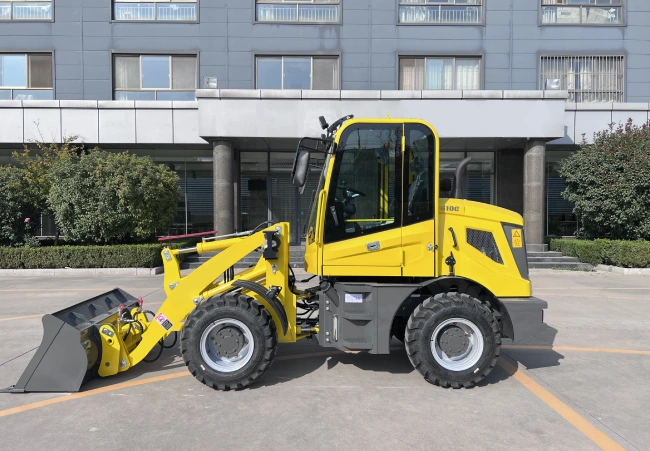
Before purchasing a wheel loader, it’s crucial to consider several factors. The arm design, payload weight, visibility, productivity, and safety features. Each factor significantly impacts the machine’s overall performance.
1. Buying a Wheel Loader with the Right Size
When deciding which wheel loader to buy, it’s important to understand your job needs. Is your workplace tight and limited? Are you looking for a versatile tool carrier, or do you need it to be powerful at loading? Wheel loaders come in different sizes: compact ones under 10 tons and large ones above 10 tons.
Picking the right size is key to getting the most out of your investment. Size depends on things like how fast you need to work and how heavy the stuff you’re moving. Look at things like how strong it is, how much power the engine has, and how easy it is to move around.
When buying a wheel loader, you’ll see that they come in many sizes. Think about the specific jobs you need it for and pick the right size for those tasks. Choosing the correct size will help you get the best return on your investment.
Consider how much material your wheel loader will lift daily and its approximate weight. Focus on three main features: horsepower, tipping load, and bucket size.
Once you pick the right size, there are other things to consider about it as well. For example, the arm design, visibility, safety features, walking speed, and payload weight. Lastly, you need to check if it’s very easy to maintain and service.
2. Buying a Wheel Loader with the Most Suitable Arm Design
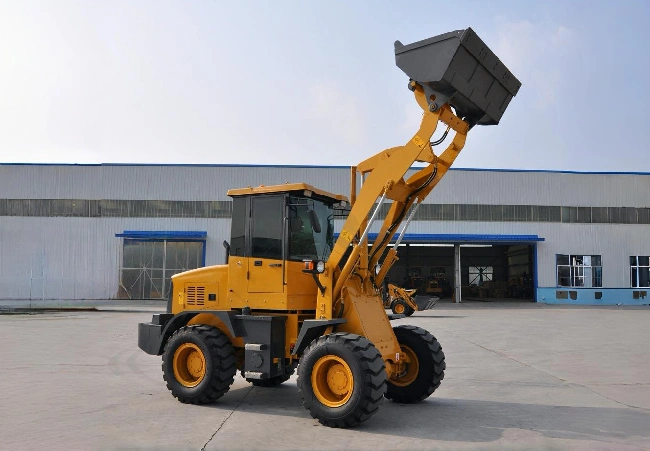
Wheel loaders come with different arm setups to fit different jobs. Standard arms work well with heavy materials because they keep the load close to the front axle, which is easy to operate. High lift arms are better for lighter materials and reaching into tall trucks, but they usually have smaller buckets.
3. Buying a Wheel Loader with 360° Visibility and Safety
Choosing a wheel loader with the right safety features can reduce the risk of accidents and injuries. When operating a wheel loader, having a clear view of the work area is crucial.
Cabs with 360-degree visibility create a safe and comfortable working environment. The design of the cab and the arrangement of monitors and switch panels also impact your visibility. Adding LED lighting ensures good visibility as well.
Side-view cameras enhance visibility by displaying various views around the wheel loader. Cameras on the sides and rear also provide more visibility.
In a typical loading cycle, wheel loaders often spend 50% of their time in reverse. Modern safety systems use rear obstacle detection to alert the operator with alarms. Some systems can automatically alarm the driver if the loader gets too close to an object.
4. Buying a Wheel Loader with Productivity Features
To make your work easier, look for features that help you complete task more efficiently. For example, features that give extra power when going uphill help transport materials faster. This speeds up lifting and carrying.
Speed control is another beneficial feature. The operator can adjust the speed while lifting, and the machine slows down automatically near the loading area. When it’s time to dump, press down the brake stops the loader. Which means you don’t have to use the pedal that often. Substantially, reduce driver’s fatigue and save fuel too.
Also, features like auto idle shutdown help save fuel by turning off the engine when it’s not needed.
5. Buying a Wheel Loader with Payload Weight Checks
Payload weighing helps you track how much material you’re moving. Operators can see the bucket’s load weight on a screen in the cab. These systems can also warn operators if the bucket is too full, making the work safer.
6. Buying a Wheel Loader with Right Attachments
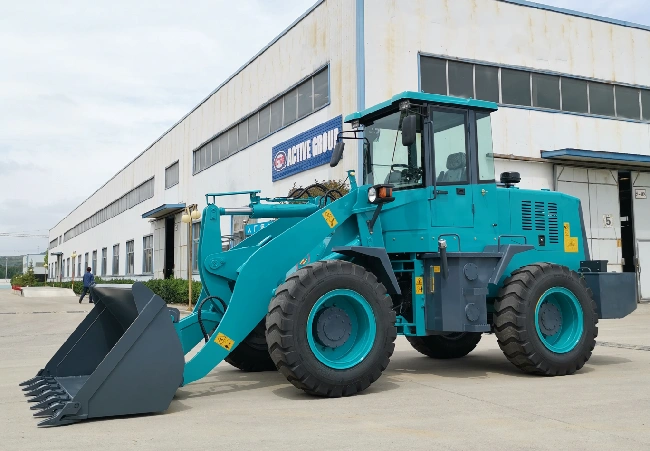
The bucket is crucial for a wheel loader because it lets the machine dig, scoop, or carry materials. Buckets come in different sizes, like compact, small, medium, or large, so it’s important to pick the right size for your needs. Consider how much material you handle daily and the density of the materials. Also, think about the bucket’s breakout force.
Besides the bucket, wheel loaders can use many other attachments, making them very versatile. These attachments can boost your work efficiency.
When choosing attachments, think about the specific jobs you’ll do. Common attachments include blades, booms, forks, grapples, and rakes.
View all wheel loader attachments here>>
7. Buying a Wheel Loader with Technical Support
If you’re considering adding a wheel loader to your construction projects, YUFAN Machinery is here to assist you. We offer a range of wheel loader models, from 1 ton up to 10 tons and more.
Our team of machine experts can guide you in choosing the right wheel loader and answer any questions you may have. We offer factory-direct prices and flexible financing options to suit your needs.
Additionally, we offer custom service to ensure your wheel loader runs smoothly and performs well for years to come.
For more details on our wheel loader machine, you can reach out to us at +86 18560052759 or submit your inquiry via our website.
View the smallest wheel loader: YF916D>>
View the largest wheel loader: YF966G>>

Posted by Isabel leave words
Thanks for reading. I hope my article helps. Please leave a comment down below. You may also contact YUFAN online customer representative for any further inquiries.
 English
 Arabic
 Chinese (Simplified)
 Dutch
Dutch English
 French
 Italian
 Portuguese
 Russian
 Spanish
Leave a Reply