
 Send Inquiry
Best Practices for Maintaining Your Wheel Loader
Contents
Wheel loaders are high-performance construction machines. It comes in many sizes to take on different tasks. The best wheel loaders that YUFAN makes can withstand heavy workloads and perform as many tasks as possible.
Keeping wheel loaders in good condition is vital to make sure they perform well and last a long time. In this post, we’ll reveal several important ways to maintain wheel loaders effectively. Let’s get started!
Ⅰ. Understanding the Components of a Wheel Loader
A wheel loader is made up of several important parts that need regular care to keep the machine working well:
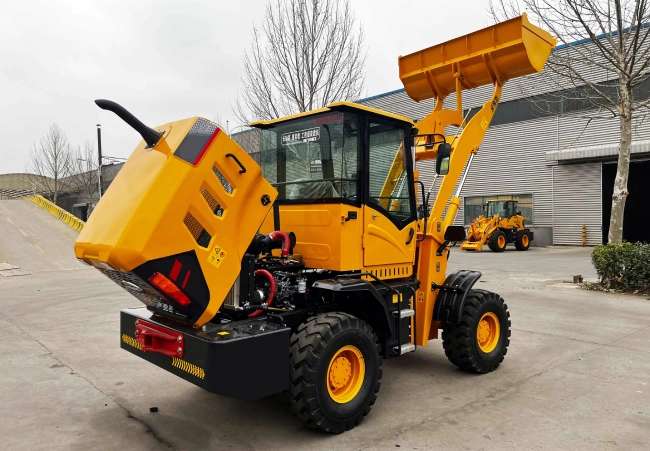
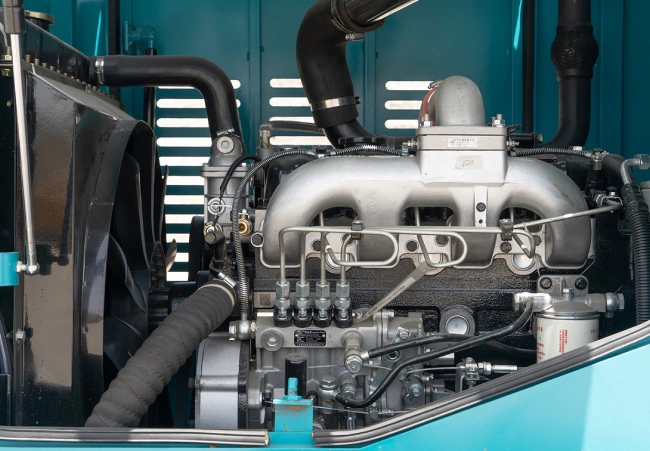
1. Engine: The engine delivers power to the wheel loader and needs regular attention. This includes changing oil, replacing filters, and checking belts, hoses, and coolant levels.
2. Hydraulic System: The system powers the loader’s movements and attachments. It’s important to check fluid levels, inspect hoses and fittings for leaks or damage, and keep moving parts well-lubricated.
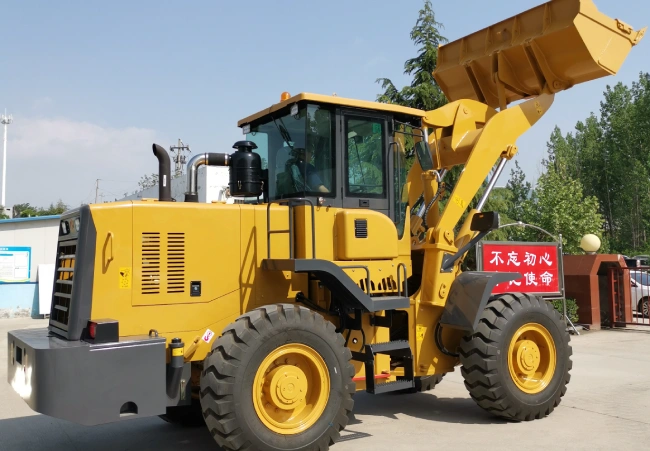
3. Bucket: The bucket is crucial for loading and carrying materials. Regular checks for wear, keeping it properly aligned, and fixing any damage promptly are important for smooth operation.
4. Tires: Wheel loader tires undergo a lot of stress and should be checked often for cuts, punctures, and proper inflation. Regularly rotating and aligning them can help them last longer.
Understanding these parts and how to maintain them is key to keeping your wheel loader in top shape. We’ll go into more detail on each section and discuss your daily maintenance routine below.
Ⅱ. Wheel Loader Maintenance Checklist
Regular maintenance for wheel loaders involves several important steps to keep them working well:
1. Before Work: Check everything thoroughly to make sure it’s all good. Look at oil levels, filters, and other important parts.
2. After Work: Check again to catch any problems that might have come up during work.
3. Use the Manual: Follow the maintenance manual for details. Adjust as needed based on how much work the loader does and the conditions it works in.
Here are the main things to do for regular wheel loader maintenance:
Under the Hood: Check engine oil, hydraulic fluid, fuel system, electrical connections, and brakes. Look for leaks and make sure the engine works well.
Outside Check: Look at tires to see if they’re worn out or need air. Check steering, axles, lights, and loader parts like the bucket and lift cylinders.
Inside Check: Check brakes, air filters, and heating systems for problems.
Electrical Check: Test the electrical system and controls.
Service Tasks: Keep engine oil, axle oil, and air pressure at the right levels. Add hydraulic fluid when needed, replace old parts, and do other tasks to keep everything working well.
Following these steps helps keep your wheel loader in good shape and ready to work efficiently.
1. Hydraulic System Leaks: Regularly inspect hydraulic hoses, fittings, and seals for leaks. Replace damaged parts promptly and top up hydraulic fluid as needed.
2. Electrical Issues: Check fuses, relays, and wiring connections for any faults. If problems persist, seek help from a technician.
3. Engine Performance: Check engine performance closely, address unusual noises, and schedule regular check-ups.
Remember, some maintenance tasks may require professional expertise. Knowing when to seek help and get complex issues resolved properly.
Ⅲ. How Often Should I Maintain My Wheel Loader?
The frequency depends on how much it’s used.
Compact wheel loaders are generally lighter in weight, and they can wear out faster if you use them to do heavy work very often.
Daily Check:
Drivers should do a quick check on the engine, hydraulic oil, dust filters, brake pads, and the overall machine condition.
Weekly or Monthly Check:
Skilled technicians should do a thorough check every week or every month. Check if there are parts that need to be replaced, and clean out anything that could affect the machine’s operation.
Ⅳ. How to Reduce the Cost of Maintaining Your Wheel Loader?
There are ways to reduce the cost of maintaining your wheel loader. It’s important to stick to a reliable plan, which involves regular inspection and repairs.
To keep this process more straightforward, you can detect any problem at an early stage, like parts wearing out.
Predicting an issue in advance is the key to saving money on maintenance. It gives you more time to prepare and get the spare parts at better prices. So as to avoid rush costs. Planning for potential problems is the best way to cut down on wheel loader maintenance costs.

Posted by Isabel leave words
Thanks for reading. I hope my article helps. Please leave a comment down below. You may also contact YUFAN online customer representative for any further inquiries.
 English
 Arabic
 Chinese (Simplified)
 Dutch
Dutch English
 French
 Italian
 Portuguese
 Russian
 Spanish
Leave a Reply