
 Send Inquiry
Compact Tractor Ultimate Guide: How to Choose the Right Tractor for Your Job
Contents
When it comes to maintaining a small farm or property, a compact tractor can be an indispensable tool. However, with so many types and sizes of tractors available, choosing the best one for your needs can be overwhelming. In this compact tractor size guide, we’ll provide you with all the information you probably need to select the right tractor size for your property.
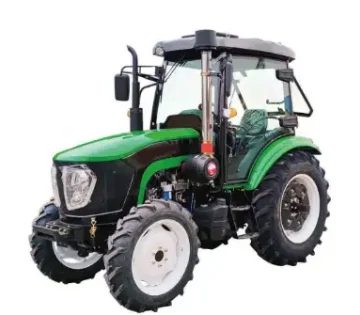
Types of Compact Tractors
Before choosing a compact tractor, it’s important to understand the available types. The most common types of compact tractors include:
- Garden Tractors: These are the smallest compact tractors designed for use in small gardens and yards. They are typically equipped with a mower deck and can also be used for hauling small loads.
- Sub-Compact Tractors: These tractors are slightly larger than garden tractors and are designed for use on small farms and properties. They are more powerful than garden tractors and can handle a wider range of tasks, such as plowing, tilling, and hauling.
- Mid-Size Tractors: These tractors are larger than sub-compact tractors and are designed for use on larger properties and small farms. They are more powerful than sub-compact tractors and can handle more heavy-duty tasks, such as digging and excavating.
- Utility Tractors: These are the largest type of compact tractors and are designed for use on larger farms and properties. They are the most versatile type of compact tractor and can handle a wide range of tasks, including plowing, tilling, and digging.
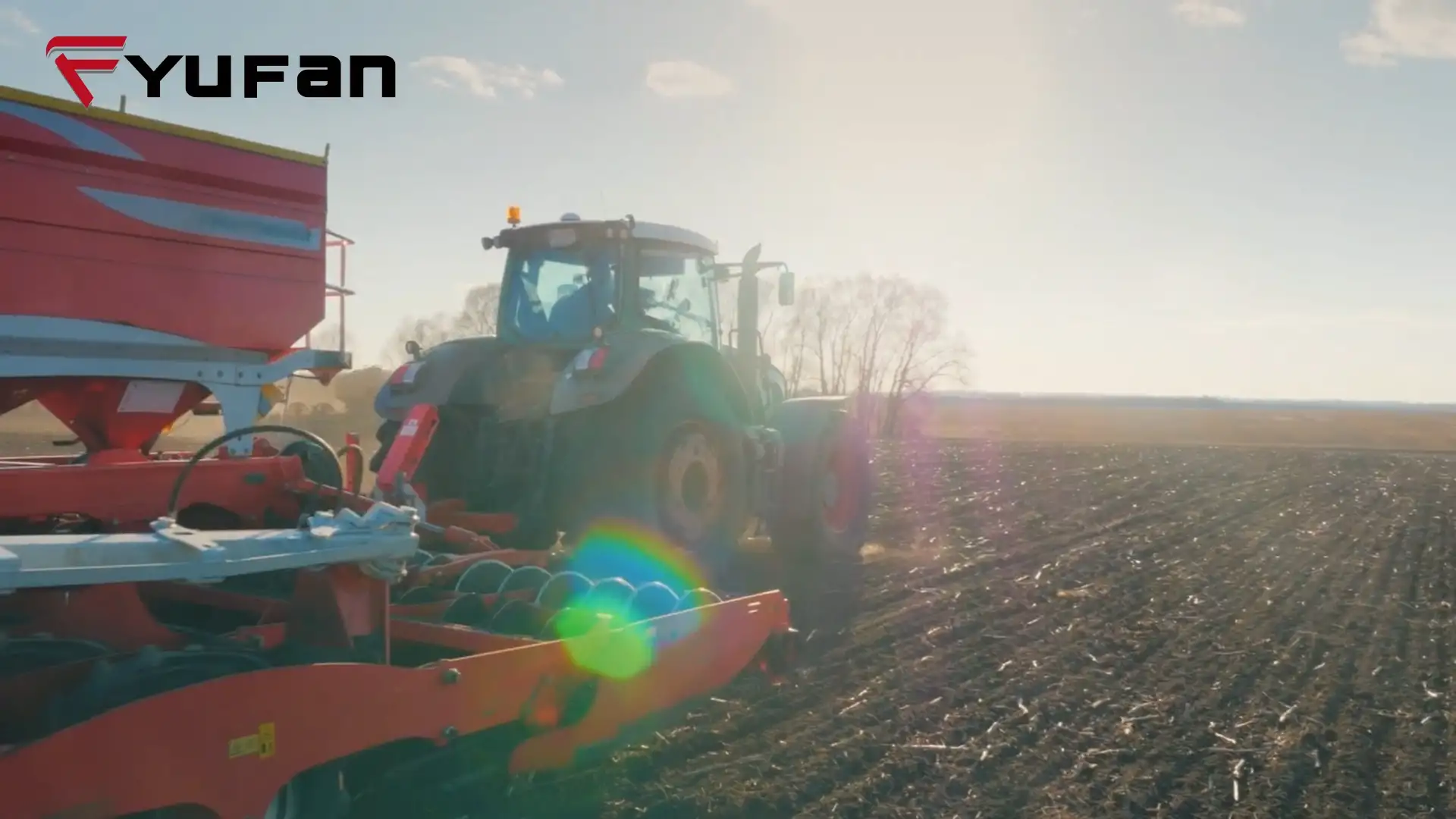
Compact Tractor Size Categories
Compact tractors are typically classified by their engine horsepower and size. The most common size categories for compact tractors are:
- Sub-Compact: These tractors typically have an engine horsepower of 15-25 and are designed for use on small properties and gardens.
- Compact: These tractors typically have an engine horsepower of 25-40 and are designed for use on small to medium-sized farms and properties.
- Mid-Size: These tractors typically have an engine horsepower of 40-60 and are designed for use on larger properties and small farms.
- Utility: These tractors typically have an engine horsepower of 60-100+ and are designed for use on larger farms and properties.
How to Choose the Suitable Compact Tractor for Your Needs?
Now that you understand the different types and sizes of compact tractors, it’s time to choose the best one for your needs. Here are several aspects to consider when choosing a compact tractor:
Property Size: The size of your property will determine the size of the tractor you need. A garden or sub-compact tractor may be sufficient for a small garden or yard. A mid-size or utility tractor may be necessary if you have a larger property or small farm.
Tasks: Consider the tasks you need the tractor to perform. A garden or sub-compact tractor may be sufficient if you need to mow your lawn or haul small loads. A mid-size or utility tractor may be necessary if you need to plow, till, or excavate.
Terrain: Consider the terrain of your property. If you have steep hills or rough terrain, you may need a more powerful tractor with a four-wheel drive.
Attachments: Consider the attachments you will need for your tractor. Different types of tractors can handle different types of attachments, such as mowers, plows, tillers, and loaders. Make sure to choose a tractor that can handle the attachments you need.
Engine Power: The engine horsepower of a tractor determines its power and performance. Choose a tractor with the right amount of engine power for the tasks you need it to perform. Sub-compact tractors typically have an engine horsepower of 15-25, compact tractors typically have an engine horsepower of 25-40, mid-size tractors typically have an engine horsepower of 40-60, and utility tractors typically have an engine horsepower of 60-100+.
Brand and Model: Many different brands and models of compact tractors are available. Do your research before purchasing, and choose a reputable brand and model with good reviews and a history of reliability.
Budget: Generally speaking, the price range of compact tractors is from several thousand dollars to tens of thousands of dollars. Determine your budget and choose a tractor that fits within your price range.
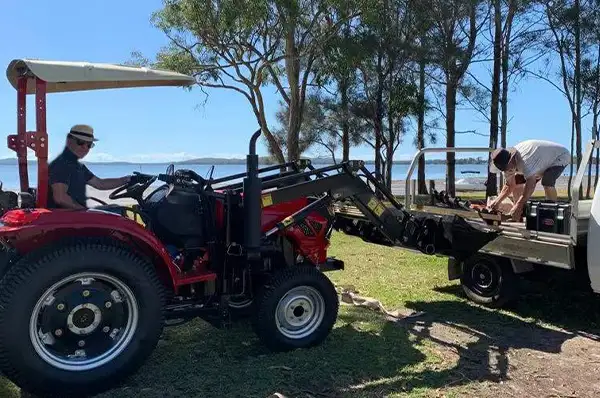
Maintenance and Care for Compact Tractors
Proper maintenance and care for your compact tractor are essential for its longevity and performance. Here are some general tips for maintaining and caring for your compact tractor:
Read the owner’s manual
The owner’s manual contains important information about your tractor, including maintenance schedules, operating instructions, and safety guidelines. Read the manual carefully and follow the recommended maintenance procedures.
Check the fluids
Regularly check the engine oil, hydraulic fluid, and coolant levels. Also, change them according to the manufacturer’s recommended schedule.
Clean the tractor
Clean the tractor regularly to remove dirt, debris, and other contaminants that can damage the engine or other components. Using the pressure washer or hose to clean the outside of the tractor and wipe the inside with a clean cloth is recommended.
Lubricate moving parts
According to the manufacturer’s recommended schedule, apply grease to the tractor’s moving parts, such as the steering and suspension components.
Store the tractor properly
When not in use, store the tractor in a dry, covered area. Use a tractor cover to protect it from dust, debris, and moisture.
Common Issues and Troubleshooting Tips for Compact Tractors
Compact tractors are reliable machines, but like any equipment, they can develop issues from time to time. Here are several common issues that you may encounter with your compact tractor, along with some troubleshooting tips:
The engine won’t start
If the engine doesn’t start, check the battery to ensure it has a charge. If the battery is fine, check the fuel filter, fuel lines, and fuel pump for any blockages or damage. If these components are all functioning properly, the starter motor or ignition system may be the issue.
Engine overheating
If the engine is overheating, check the coolant level and ensure the radiator and cooling system are debris-free. The problem could be the thermostat or the water pump. If the coolant level is good, the radiator is clean.
Hydraulic system issues
If the hydraulic system isn’t functioning properly, check the hydraulic fluid level and ensure the filter is clean. If the fluid level is fine and the filter is clean, the issue may be with the hydraulic pump or valve.
Transmission issues
Check the transmission fluid level if the tractor is having trouble shifting gears or the transmission is slipping. It is essential to make sure it is clean. If the fluid level is fine and the fluid is clean, the issue may be with the clutch or transmission components.
Electrical issues
Check the fuses and wiring for damage or corrosion if the tractor’s electrical system isn’t functioning properly. If the fuses and wiring are fine, the issue may be with the alternator or other electrical components.
Conclusion&YUFAN
Choosing the right compact tractor for your needs is essential for maintaining a small farm or property. By understanding the different types and sizes of compact tractors and considering your property size, tasks, terrain, attachments, engine power, brand and model, and budget, you can select the best tractor for your needs. Whether you need a small garden tractor or a large utility tractor, our YUFAN’s compact tractors can meet your needs and help you get the job done. So don’t hesitate!YUFAN’s quality machines are always here waiting for you.

Posted by Isabel leave words
Thanks for reading. I hope my article helps. Please leave a comment down below. You may also contact YUFAN online customer representative for any further inquiries.
 English
 Arabic
 Chinese (Simplified)
 Dutch
Dutch English
 French
 Italian
 Portuguese
 Russian
 Spanish
Leave a Reply