




Bucket Attachment for Digging and Lifting
Excavator buckets provide precise control over digging and lifting operations. With a quick adaptor, you can quickly change to different attachments.
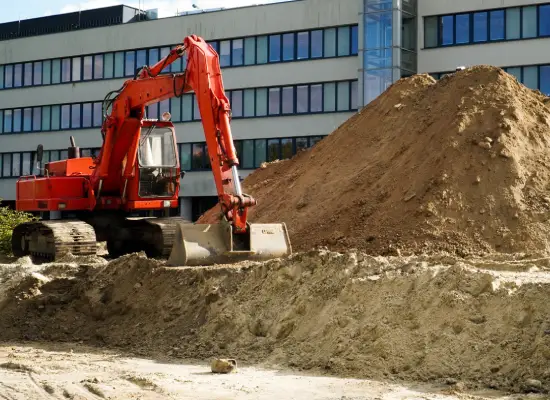
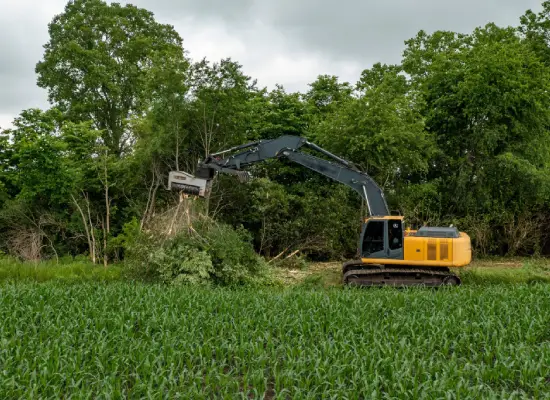
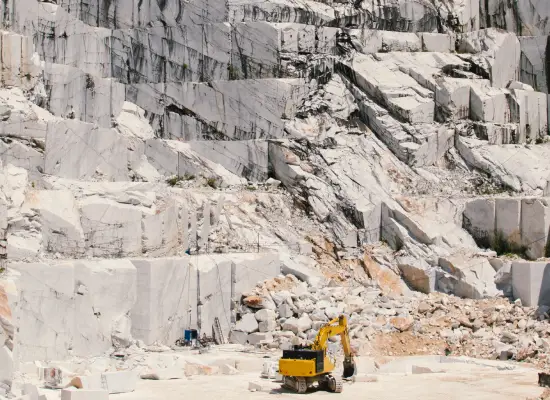
Excavator buckets are designed to handle different materials, rocks, sand, or soil. They are highly useful in construction sites, farming, landscaping, demolition, and mining operations.
>Precious digging and grading.
>Easy replacement and compatibility.
>Adhering to industry standards.
>Support for different materials.
Exploring Tips for Operating an Excavator with Bucket
Types of Buckets for Your Digger
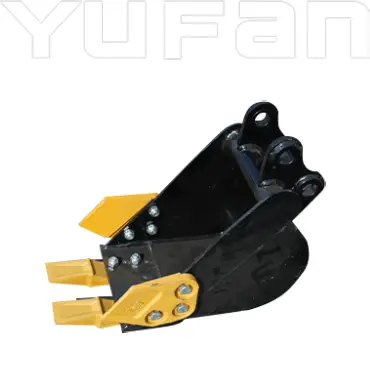
A bucket attachment with teeth is widely used in construction, excavation, mining, and other earthmoving projects. It improves productivity, performance, and versatility for your diggers.
Bucket capacity: 2m³ 3m³ 4m³
Compatible models: YFT08 YFT10 YFT12 YFT17 YFT18
*5m³ is available for YFT17, and 6m³ for YFT18.
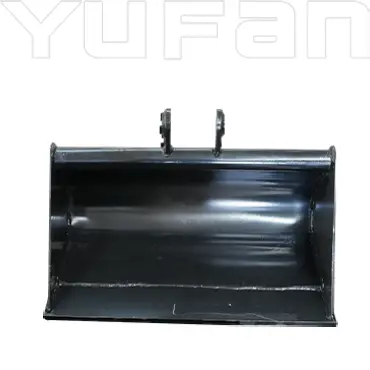
General-purpose buckets are multi-tasking attachments designed to handle a range of materials and tasks efficiently. It can handle digging, excavation, loading and transportation, leveling and grading, etc.
Bucket capacity: 5m³ 6m³
Compatible models: YFT08 YFT10 YFT12 YFT17 YFT18
*8m³ is available for YFT12 YFT17 YFT18.
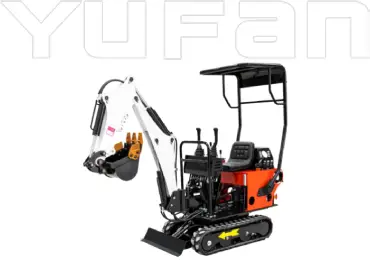
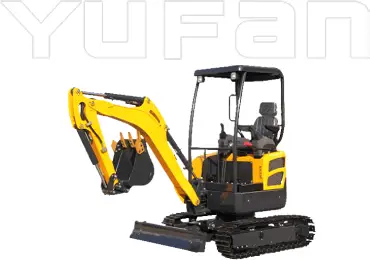
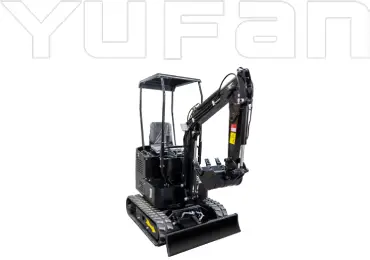
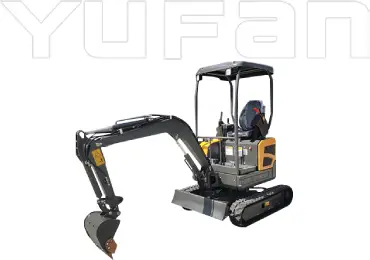
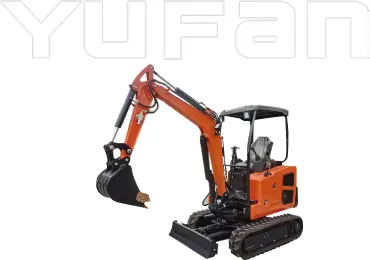
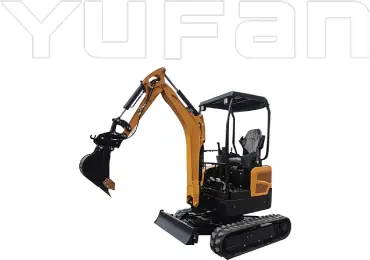
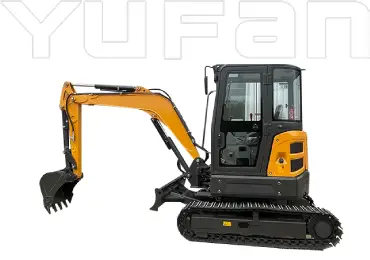
Small Diggers with Bucket Attachment
FAQs
Excavator buckets are not interchangeable between different models. There are several reasons for this:
Attachment connection. Excavator buckets attach to the arm with a specific connection. Different models may have different connections.
Bucket capacity. The bucket capacity depends on the machine itself and its counterweights. It’s not safe to use too large a bucket on a small machine. Verse versa, using a smaller bucket on a heavy machine reduces work efficiency.
Hydraulic system compatibility. Incompatible buckets can cause improper operation and damage excavators with varying hydraulic flow and pressure requirements.
For all bucket-related questions, please feel free to contact our representatives. We’re here to answer all your inquiries.
Excavator tracks can come off for multiple reasons. It is important to identify and address these issues immediately to prevent accidents.
Suppose the machine is under high-duty operation mode continuously. The tracks are most likely to be worn out or damaged. It probably leads to track detachment. It’s recommended to check the track conditions every day before starting the machine.
Always remember to check the following factors:
Broken pins or bushings. Missing pins or bushings can cause track misalignment and detachment.
Machine overloading. The machine’s overloading can cause stress to the tracks. Over time, the tracks will get loose or detach.
Dirt or soil build-up. It’s essential to clean the track regularly to reduce track wear and tear. It prevents potential track failure.
Proper installation is always first priority. You may follow the instruction book or contact technical support for the installation procedure.
 Contact Us
 English
 Arabic
 Chinese (Simplified)
 Dutch
Dutch English
 French
 Italian
 Portuguese
 Russian
 Spanish